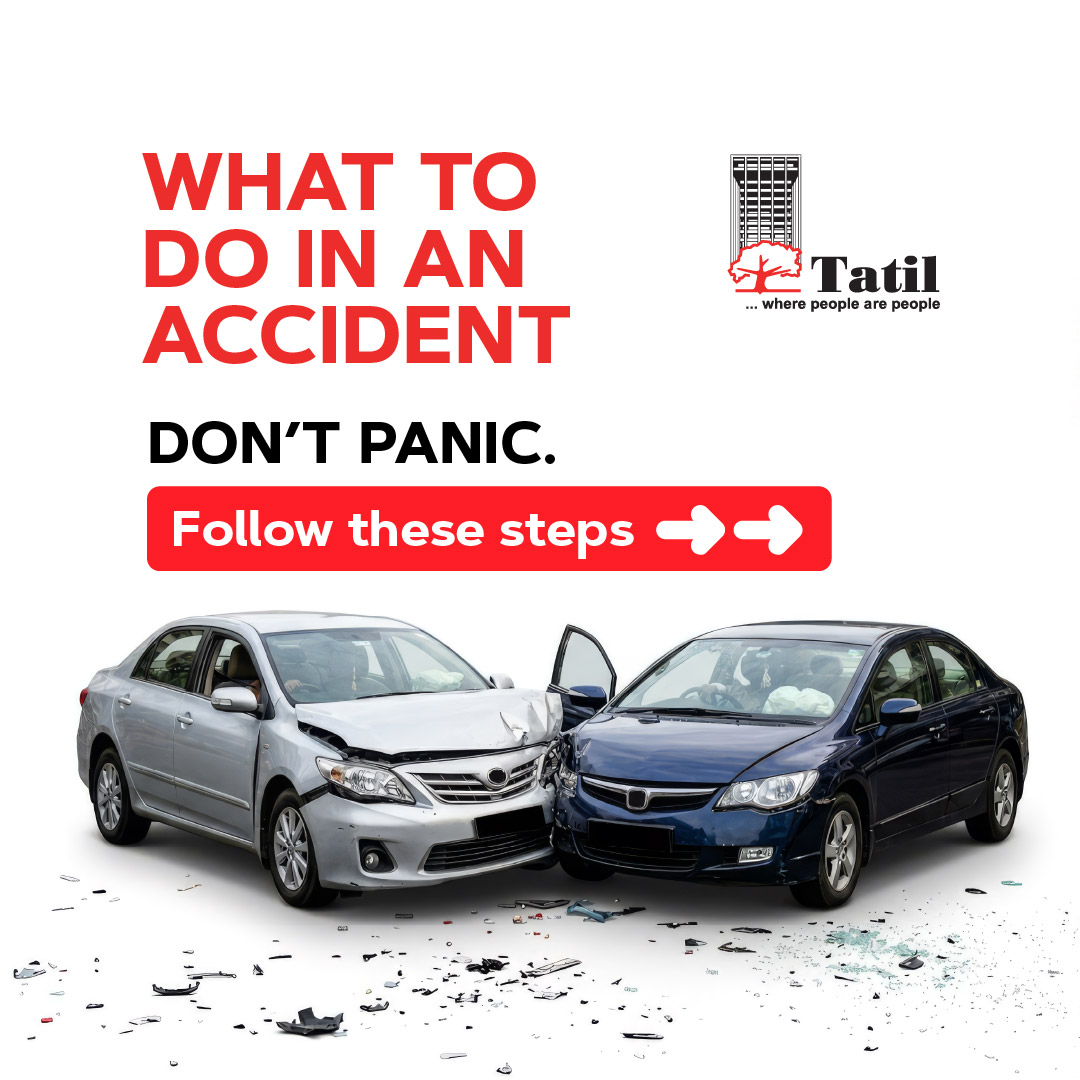
Accidents aren’t fun…But knowing what to do in the moments that follow can help to ease your stress, protect everyone involved, and make the claims process much smoother. These steps can help you get back on the road more quickly, so don’t rely on memory alone. We suggest that you screenshot and save this article so you can find it when you need it. If you want to share this info with friends and family, simply copy and paste the link. Now, let’s begin!
Step 1. Check That Everyone Is Safe
Take a deep breath, calm yourself, and evaluate the situation. Your main priority should be the safety of yourself and all others involved. Is your vehicle in a safe place? Is anyone hurt?
If anyone has been injured, immediately call 811 for emergency ambulance assistance. And if anyone on the scene seems hostile toward you, call 999 to report to the police. If threatened: avoid confrontation, move to a safe location, and contact the police.
Step 2. Document the Scene
If everyone is okay and you are not in immediate danger (like being in the middle of a highway), do NOT move your vehicles. As soon as you can, safely exit the vehicle and begin taking pictures and videos of everything with your mobile device.
Remember to capture from multiple angles, both close-up and further away. The more you can capture, the better, but here’s what you need to ensure you get:
- The damage done to all vehicles
- The positions of the vehicles
- The surrounding roadway
- Any relevant road signs, markings or traffic signals
If the vehicles are in danger, creating a hazard, or must be moved immediately, take photographs of the damage as soon as you can afterward. Good photographic and video evidence can help your insurer understand what happened and speed up the claims investigation.
Step 3. Exchange Only the Necessary Information
Don’t hand over your Driver’s Permit or other personal identification unless requested by a police officer or official authority figure. You don’t want strangers learning your home address. There are only three things you need to exchange with the other driver(s) after an accident:
- First and last names
- Telephone numbers
- Insurance companies and coverage types (links to coverage-type blog)
After giving and receiving the listed information with the other driver, if your vehicle is still safe where it is, you should also collect contact information and statements from witnesses.
Step 4. Report the Accident Promptly
Once you have recorded the information and given yours in return, report the accident to the nearest police station as soon as possible. If you are injured and cannot make the report in person, have someone contact the nearest police station to do it remotely until you can.
There is a 24-hour legal time limit for reporting an accident, but don’t wait until the last minute. Delaying your report can make the accident more difficult to investigate and may result in unnecessary delays when your claim is being processed.
To make your report, you should carry the following items:
- Driver’s permit
- Vehicle registration
- Insurance details
- Photographs, videos, witness accounts and any other evidence
5. Notify Your Insurer
Contact your insurer as soon as you reasonably can after the accident. You can even call them directly from the scene! Insurers are experts in these situations who can explain the next steps, advise you on the claims process and what may be required, and help ensure your claim is handled as efficiently as possible. These are the moments you’re glad to have insurance.
BONUS TIP: Hit-and-Run Accidents
Sometimes, the other driver may be in the wrong, or believe they would be deemed liable in the accident, and will drive away immediately to escape consequences. Do NOT pursue the other vehicle. Instead, record as much information as possible and notify the police immediately. In some cases, they could be trying to lure and trap you.
Recap: What Not To Do
- Don’t panic. Stay calm and focus on everyone’s safety.
- Don’t hand over personal identification documents.
- Don’t move any vehicles before documenting the scene unless leaving them in place would create a safety hazard.
- Don’t delay reporting the accident.
- Don’t follow the other vehicle in a hit-and-run accident
- Don’t admit fault at the scene. Simply explain the facts and allow the authorities to determine liability based on the available evidence.
We’re Here to Help
At TATIL, we understand that accidents are stressful. Our team is here to guide you through the claims process and answer your questions every step of the way.
The more prepared you are before an accident happens, the easier the process can be whenever one does. Drive safely.